
Portrait
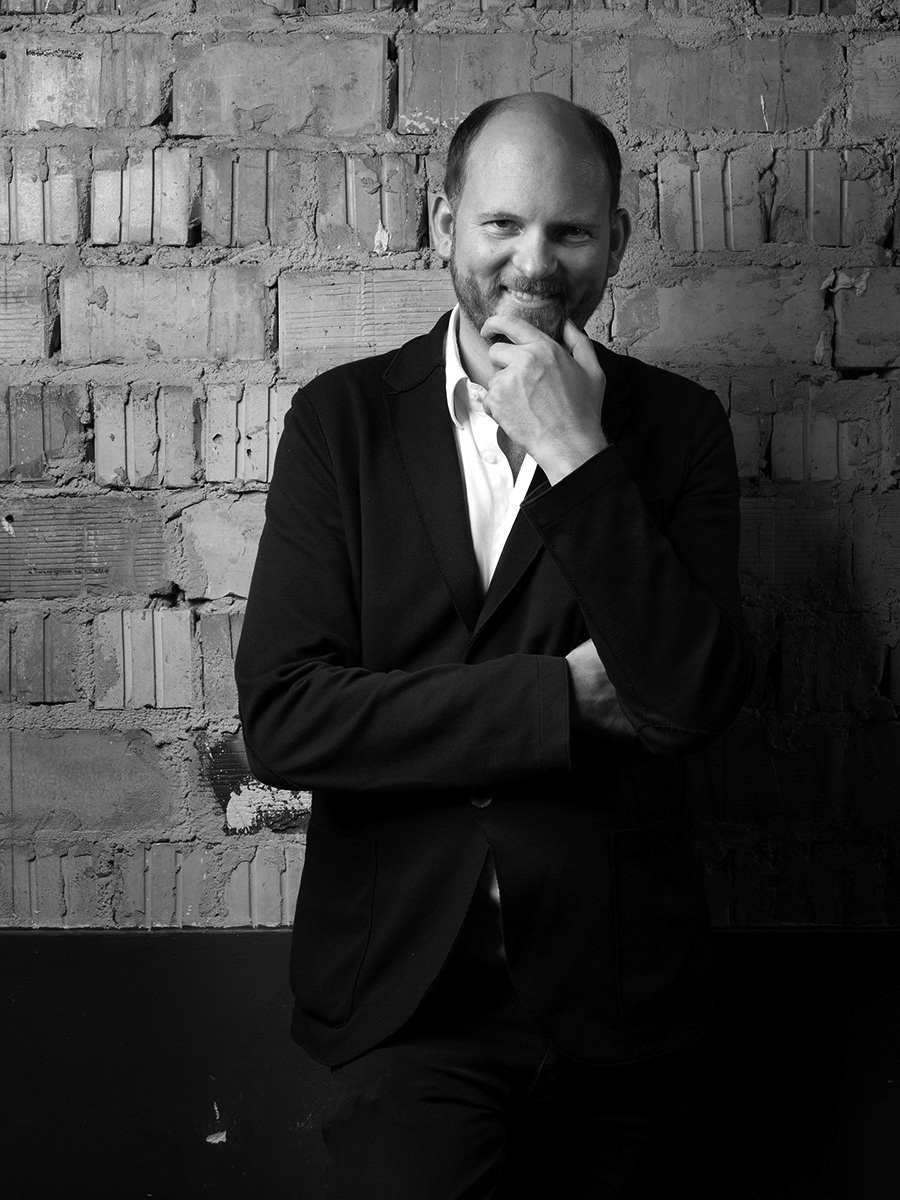
Heinz “Cookie” Gindullis
Heinz Gindullis, known to everyone as Cookie, came to Berlin from London in 1992, aged seventeen, and took a job washing dishes. Two years later he cleared out the basement of the building he lived in and opened a bar. The bar became a club. The club moved seven times and closed in 2014; its last address now holds two restaurants, Cookies Cream and Crackers.
In between he founded a search engine for fashion labels and created an automat restaurant for SAP. His restaurant Cookies Cream was the first vegetarian restaurant in Germany to win a Michelin star. In November 2022 the Berliner Meisterköche awards named him Gastronomic Innovator of the year. Asked about his favourite project, he names none of these, but Charity at [ ] and the children’s village in Tanzania he has supported since 2008.
1992–1994
Origins
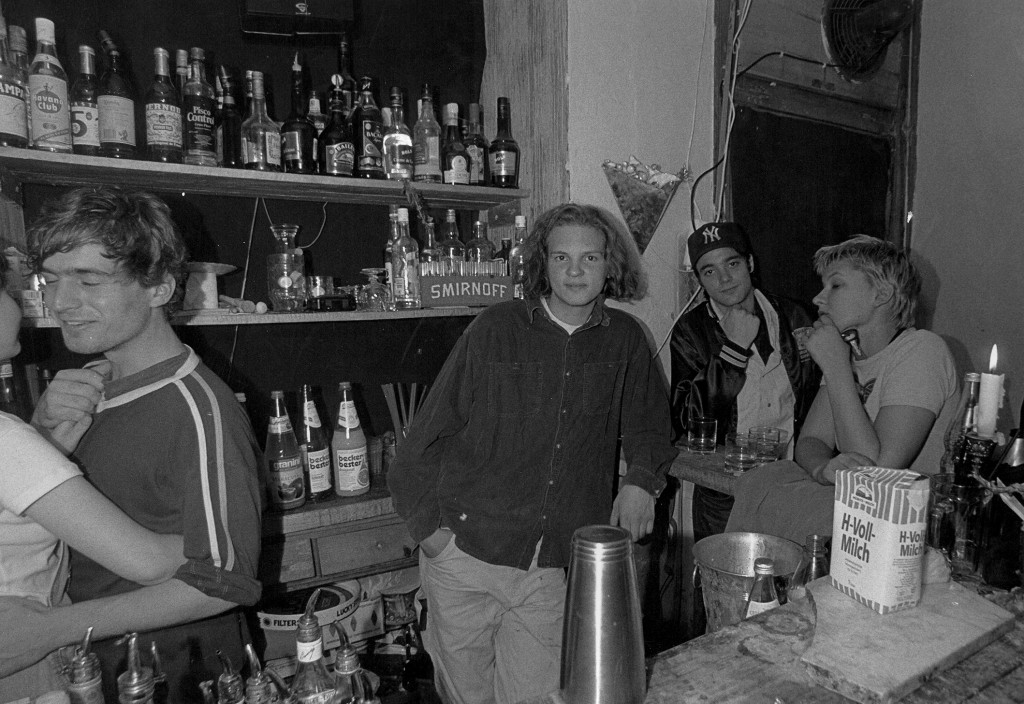
Cookie was born in London and grew up in several European cities. He arrived in Berlin in 1992, three years after the Wall came down. He washed dishes at Oren, the Jewish restaurant on Oranienburger Straße, and later worked behind its bar.
In 1994 he cleared the basement of his building on Auguststraße, put in light and music, and sold cocktails. The bar was supposed to be named after the nights it opened: Dienstagsbar, Donnerstagsbar. Neither name was used. People were going to Cookie’s.
1994–2014
The club
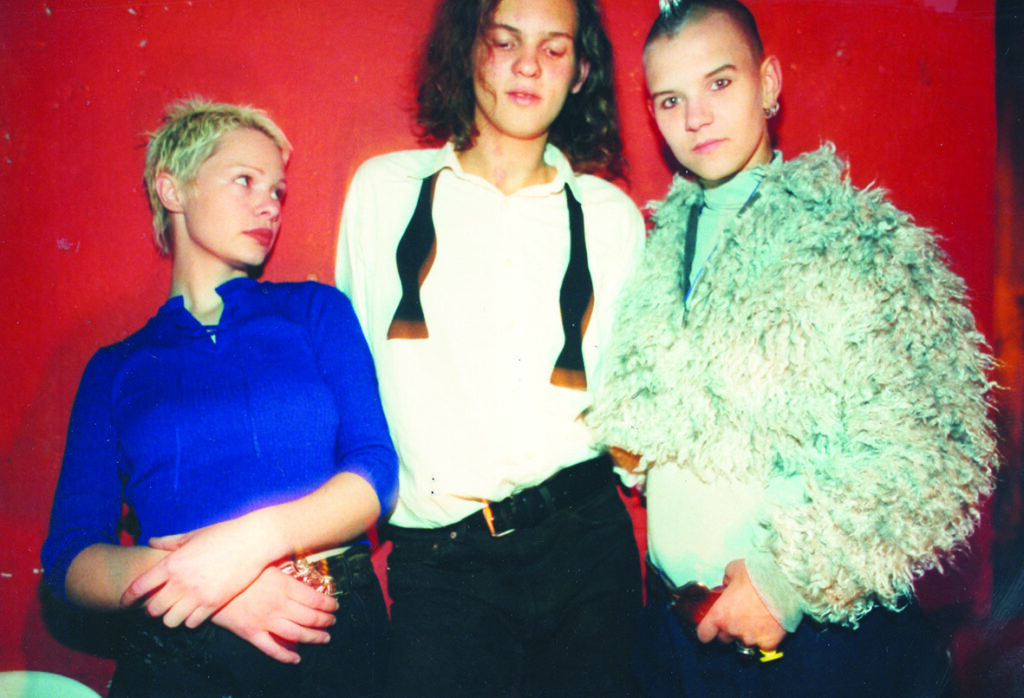
Cookies Club ran for twenty years and changed address seven times. It opened on Tuesdays and Thursdays, because Cookie worked during the week and the weekend nights were already occupied by other clubs.
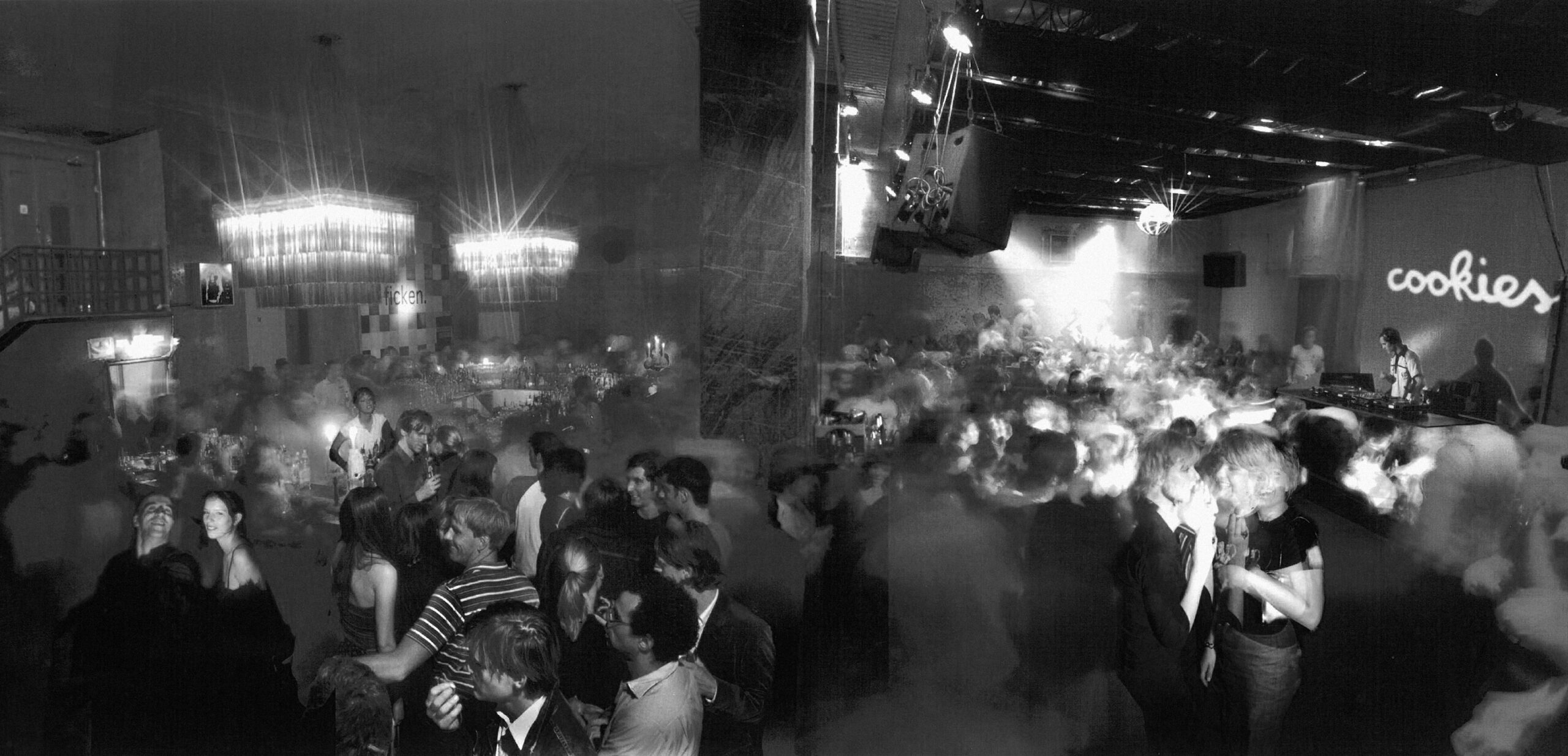
The longest stay was in the old Reichsbank on Charlottenstraße: the dancefloor in the vault, the kitchen upstairs, a champagne bar in the unisex toilets. The chandeliers came from the Palasthotel and hang above the bar at Crackers today.
Cookie ran other places alongside it. From 2000 to 2006, Café Bravo in the courtyard of the Kunst-Werke on Auguststraße, in the glass-and-mirror pavilion built by the American artist Dan Graham. In 1999 he opened the Greenwich Bar on Gipsstraße with Heiko Martinez, sixties interior, aquarium behind the bar; the drinks magazine Mixology later credited it with starting the cocktail-bar era in the east of the city. In 2011 he opened Trust on Torstraße with Marcus Trojan, a bar that sold drinks by the bottle rather than the glass.
In 2007 Cookies club moved into the former cinema hall of the French cultural institute at the corner of Friedrichstraße and Unter den Linden. It stayed there until it closed.
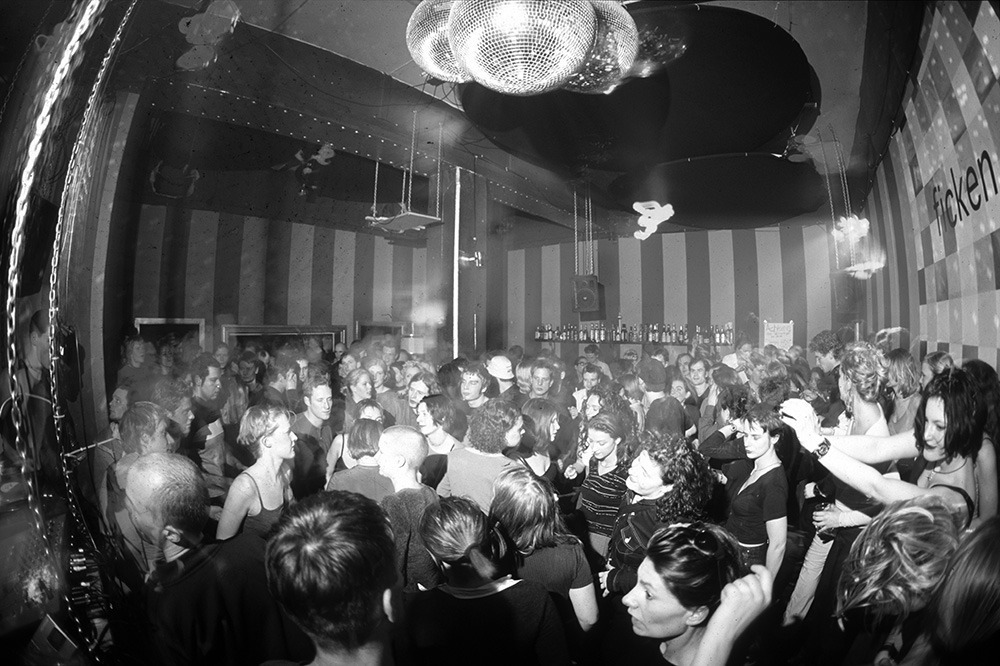
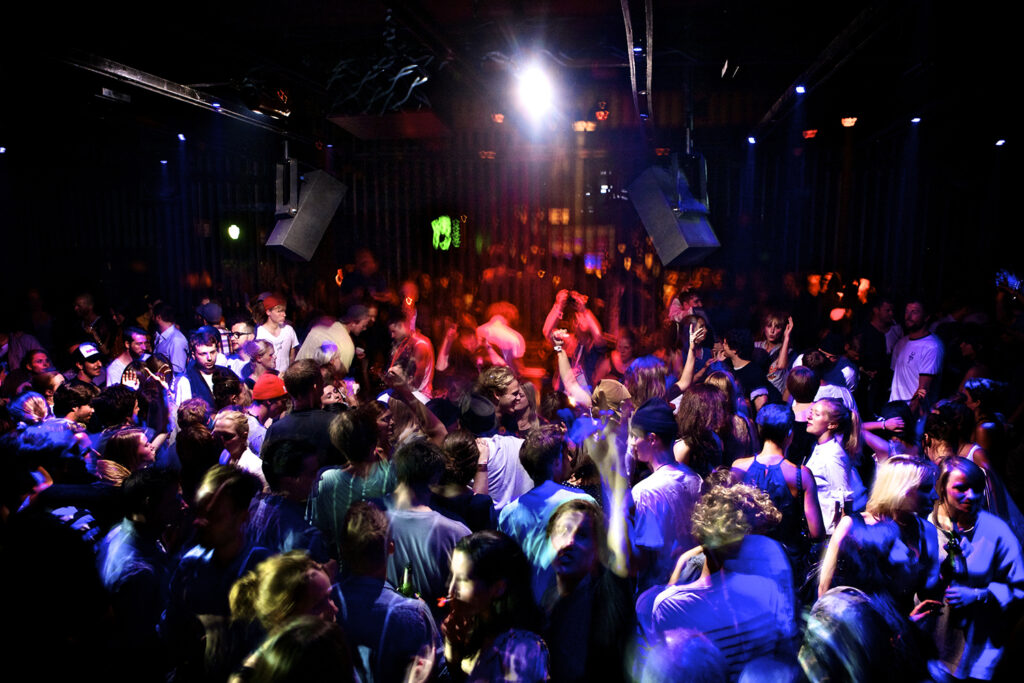
“Club-Innovator.”
Mixology
since 2007
Cookies Cream Restaurant & Bar
The restaurant opened in 2007 in the cinema’s old projector room, one floor above the club. It served a fine-dining vegetarian menu, which few restaurants in Germany did at the time. There is no sign at the door. The restaurant’s own directions run: down the alleyway to the chandelier, past the bins. “When you think you’re lost, you’re right.”
Stephan Hentschel ran the kitchen for the first fifteen years. In 2018 Cookies Cream became the first vegetarian restaurant in Germany to be awarded a Michelin star, and has held it every year since. Hentschel handed over in 2023 to Nicholas Hahn, who was named Berliner Meisterkoch in 2025. Patrick Ziegert has run the kitchen since 2026, with Viktor Gerhardinger as head of culinary development. Der Feinschmecker awarded the restaurant 4F in 2025.
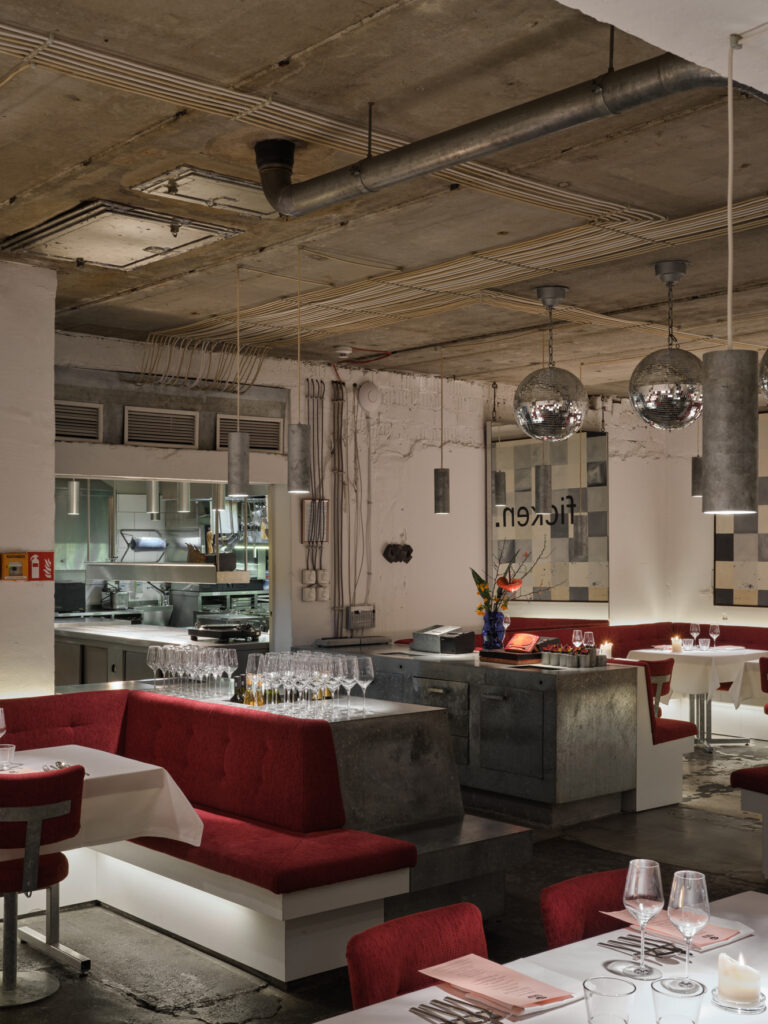
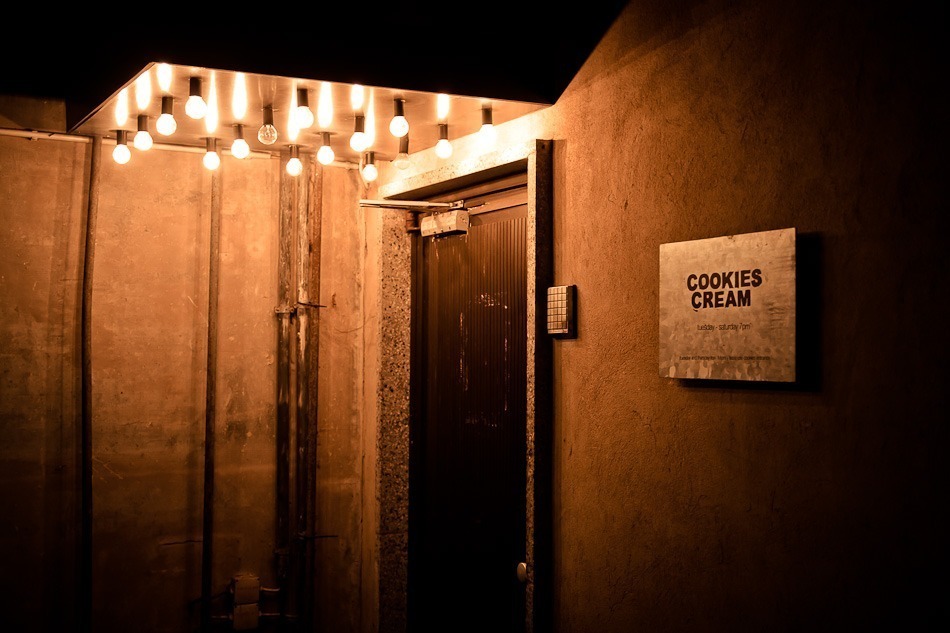
“It doesn't get much more quintessentially Berlin than this trendy restaurant!”
Michelin Guide
“You've never seen vegetarian food like this before.”
Condé Nast Traveler
from 2010
Chipps
Chipps, a casual all-day restaurant, opened in 2010 on Jägerstraße, its window front facing the Foreign Office, under the line “Serious Eating”. Guests put together their own plates from seasonal vegetables, dumplings, pasta and toppings. Meat and fish were on the menu but cooked apart, in their own pans and their own oil, so that a vegetarian could order anything. A second branch opened on Friedrichstraße within a year.
since 2014
Crackers Restaurant & Bar
When the club closed in 2014, Cookie turned its hall into Crackers, a restaurant serving ethical meat and fish, and a vegan menu. Guests walk through the kitchen and arrive in a room five metres high. The space honours its history with a distinct cinematic setting: a large dinner island fitted into the room where the dancefloor and cinema had been. Towering ceilings, and plush, dramatic blue decor, and an air conditioning built for a club. A dining hall from another time, in the middle of Berlin.
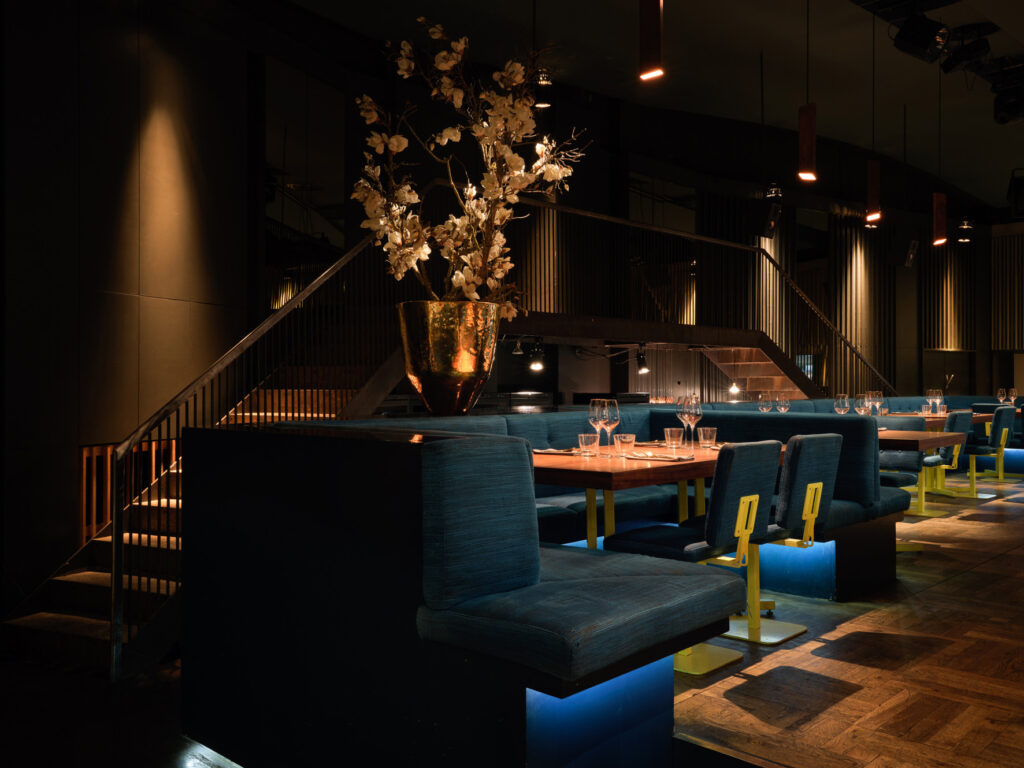
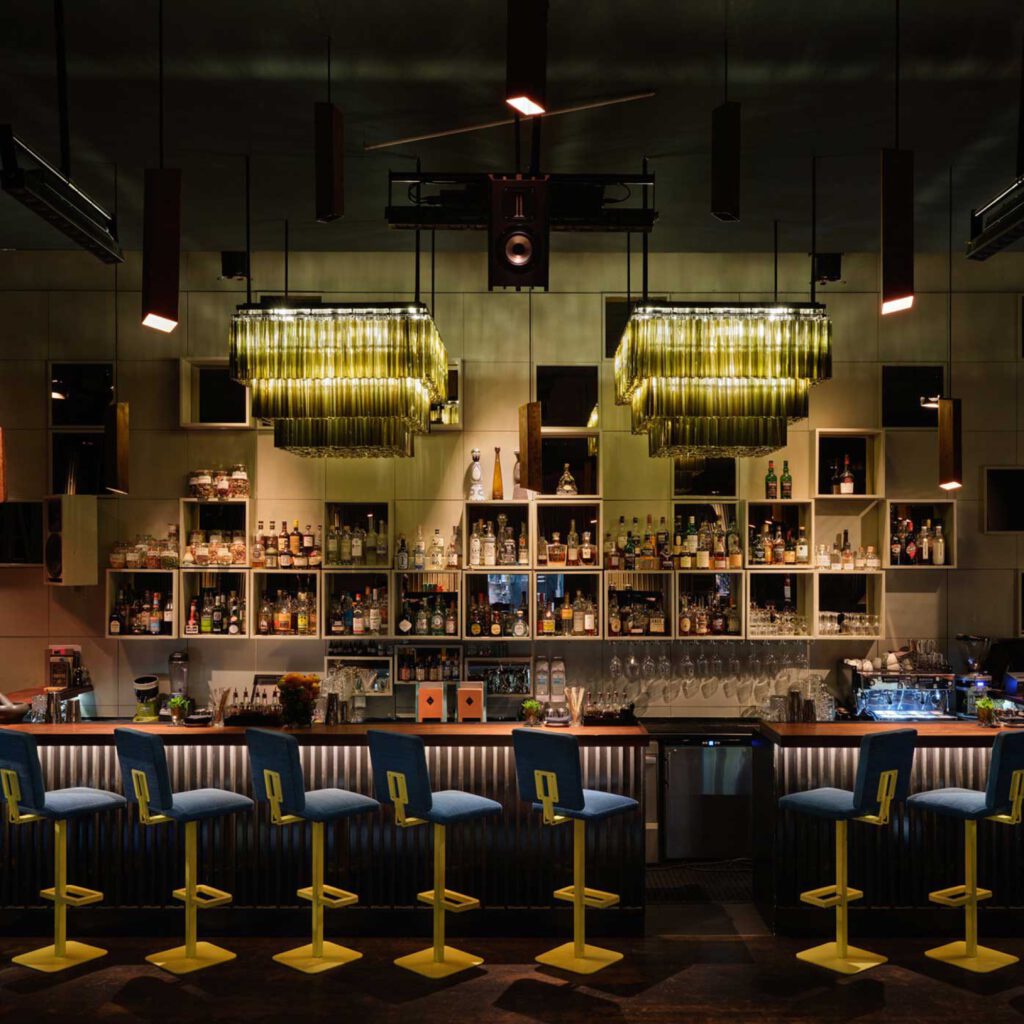
“2014 wagte Cookie das Unmögliche und verwandelte einen Clubraum in ein Restaurant.”
nikos-weinwelten, 2024
2001–2026
Cookies Events
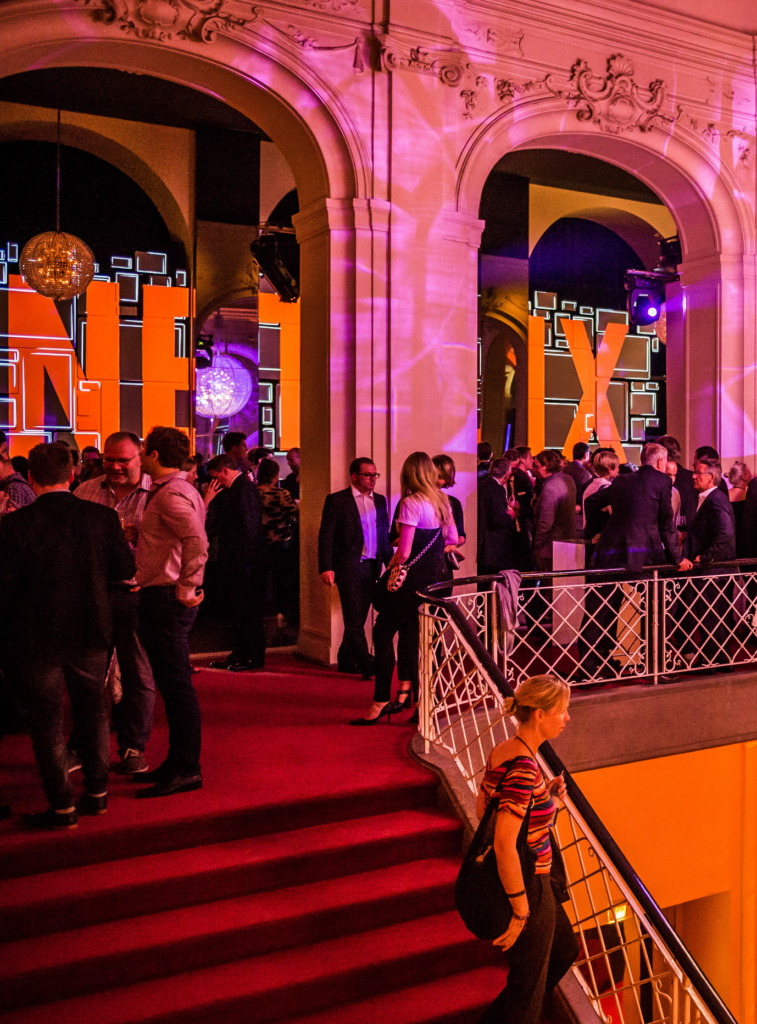
In 2001 Cookie ran the opening of the Adidas store on Münzstraße and catered the first Hugo Boss show in Berlin, at the Postbahnhof, where the food was served on large blocks of ice. For the 2006 World Cup he built the Adidas bar. Fashion Week parties followed, and brands started hiring Cookies for their own events.
Cookie founded Cookies Events & Catering as majority owner. It did set design, construction, catering, music and event management. From 2014 the agency was lead agency for Netflix’s European launch, working in Germany, France, Italy, Spain, Portugal, Austria and Switzerland. Over two and a half years it handled production and logistics across the capitals, including sets rebuilt from Netflix’s own series, like the canteen of Orange Is the New Black with the staff in orange jumpsuits. The agency also ran events for Google, Universal Music Group, Veuve Clicquot and others. The company changed owners in 2026 and runs under a different name.
founded 2006
TheLabelFinder
Cookie founded TheLabelFinder in 2006 with Julian Hildebrandt. Users entered the name of a fashion label and saw which shops nearby stocked it. By 2016 the trade press described it as the largest international fashion search engine, with more than 18,000 brands and 115,000 connected shops, and its listings ran on Vogue, Glamour and GQ. Cookie left the company in 2010.
2016–2020
Data Kitchen
The world’s first automat restaurant opened in Berlin in 1895. Cookie ran the city’s last one, 121 years later.
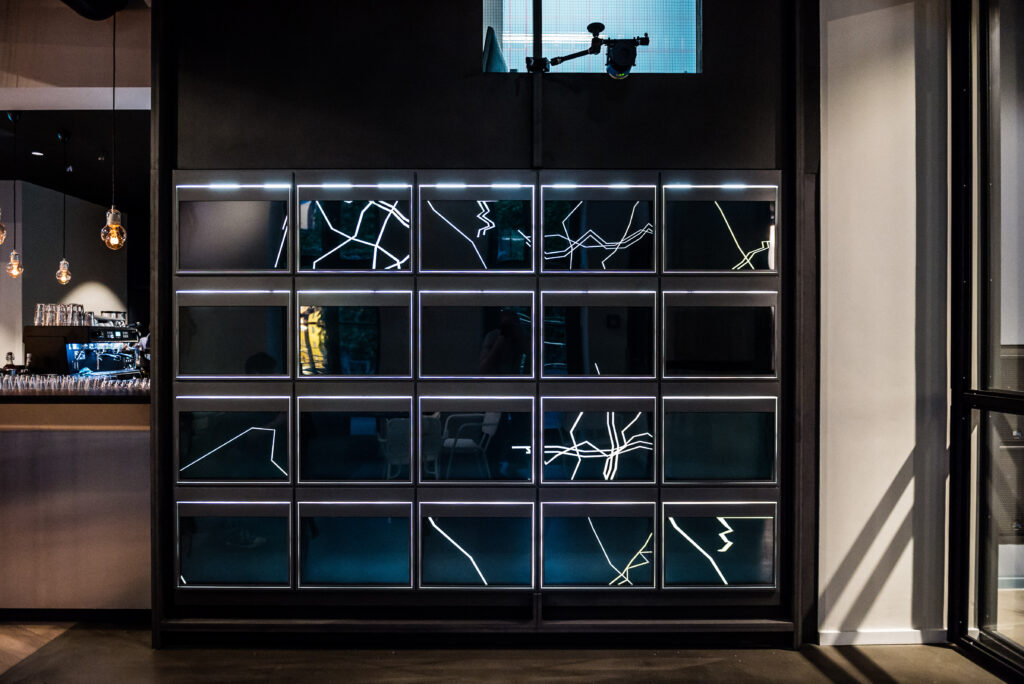
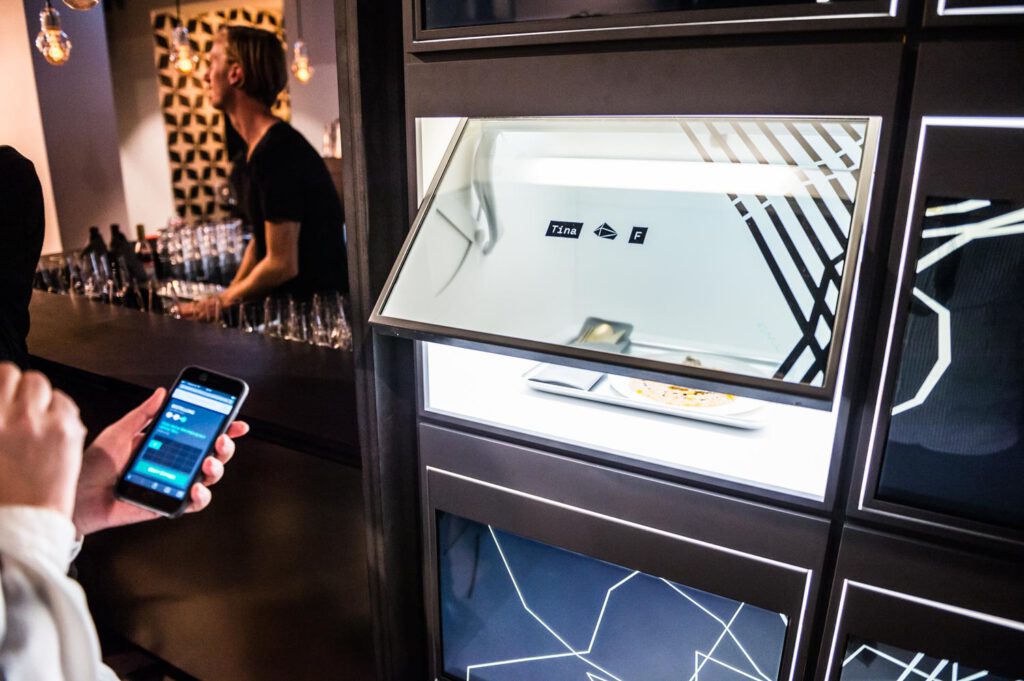
SAP had asked him for a restaurant for its Data Space on Rosenthaler Straße. Cookie, not keen on just another restaurant, proposed an automat. Data Kitchen opened there in December 2016. Guests ordered and paid in an app and collected the food from one of twenty glass compartments set into a wall. The slogan was “Slow food, fast”.
Behind the wall nothing was automated. Alexander Brosin, trained under Michael Hoffmann, cooked a daily changing, vegetable-led menu to order, which the team called New Brandenburg cuisine. The Food Wall was Cookie’s idea together with the creative director Tina Steffan, and it was built by the Ars Electronica Futurelab in Linz. CosmoCode wrote the app; the architect Laura Rave designed the room.
Fizzz named Data Kitchen Trend Concept of the Year 2017; Gault Millau gave the kitchen 12.5 points.
2020
Delivery
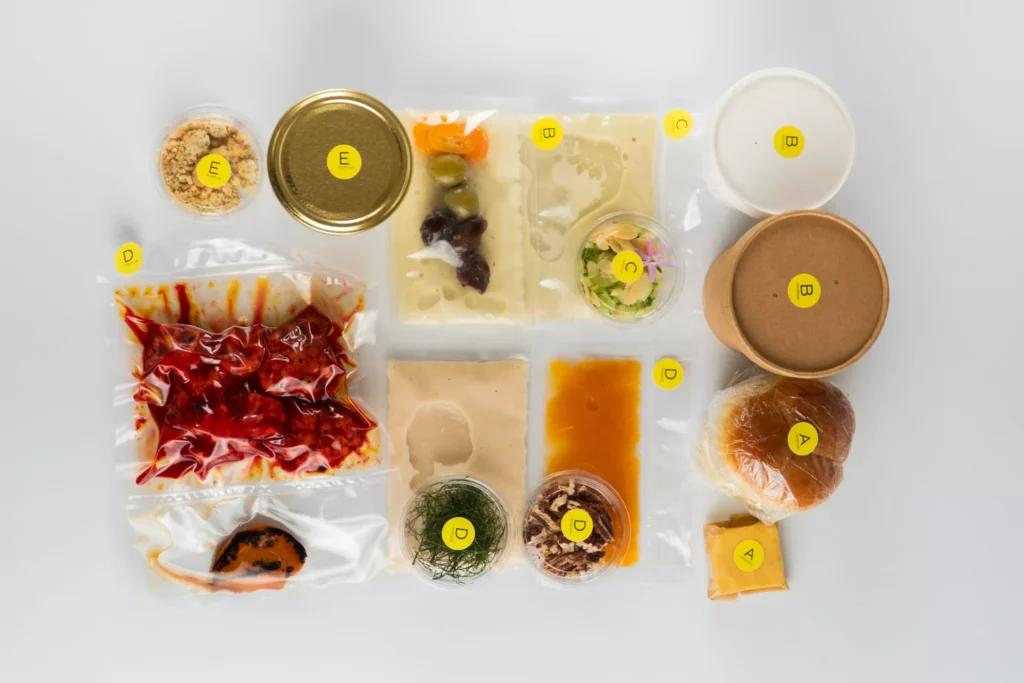
Restaurants closed in March 2020 due to Covid. Within weeks Cookies Cream and Crackers were sending four-course menus across Germany under the name Cookies Show at Home, among the first starred kitchens in the country to do so. The chefs filmed instructions for finishing each course, and every menu came with a playlist from the club’s DJs.
2022
Gastronomic Innovator
In November 2022 Berlin Partner named Cookie “Gastronomischer Innovator” at the Berliner Meisterköche awards. The citation covered thirty years rather than a single project: the club with a kitchen, and the vegetable cooking Berlin is now known for. The jury also quoted what he says drives him: diversity, togetherness, positive thinking and optimism.
“Name und Orte stehen weltweit für Berlin.”
Berliner Meisterköche, Berlin Partner, 2022
since 2008
Charity at [ ] & Mbigili
Mbigili is a children’s village in the Iringa highlands of Tanzania. The television journalist Ingo Lenz went there to film a documentary and stayed on to run the village. In 2008 Cookie and the entrepreneur Thomas-Marco Steinle founded Charity at [ ] to support it long term.
Since 2009 the gala dinner at Cookies Cream has taken place once a year. It has brought in several hundred thousand euros over the years, all of it going to the village, with Cookie and Thomas covering the administration themselves. Mbigili now houses more than eighty children, most of whom lost their parents, and runs a home-based care programme for dozens of families nearby. The money has paid for wells, power lines, a house for the older children, and school fees from preschool to university or a trade.
Thomas-Marco Steinle died in 2026. Cookie continues Charity at [ ] in his spirit and with the warmth he brought to the project.

2026
Today
The cooking stays bold. But Cookie pushes the innovation past the plate: food sourced more ethically, more sustainable resources, and a kitchen people want to work in.
People & Culture: Both kitchens are led by chefs promoted from within. Patrick Ziegert, former head chef at Crackers, is now at Cookies Cream, and Anna Israel is head chef at Crackers, a former apprentice.
An inclusive workplace, where 44 percent of the team identify as women and 40 percent bring international backgrounds. Flexible schedules with tailored prep and late shifts mean 48 percent of the staff work four days a week or fewer, proving that high-level dining and a healthy work-life balance can go hand in hand.
Environmental responsibility: Both restaurants are powered by 100 percent green electricity, food scraps are turned into syrups and cordials, and biodegradable waste is fermented into biogas, with the digestate going back onto fields as fertiliser. Vegetables and herbs come from a Brandenburg farmer, the fish is wild-caught or responsibly farmed, and at Crackers the menu is now 60 percent vegetarian and vegan. Cookies Cream holds three stars from the Sustainable Restaurant Association’s Food Made Good programme, the third business in Germany to complete it.
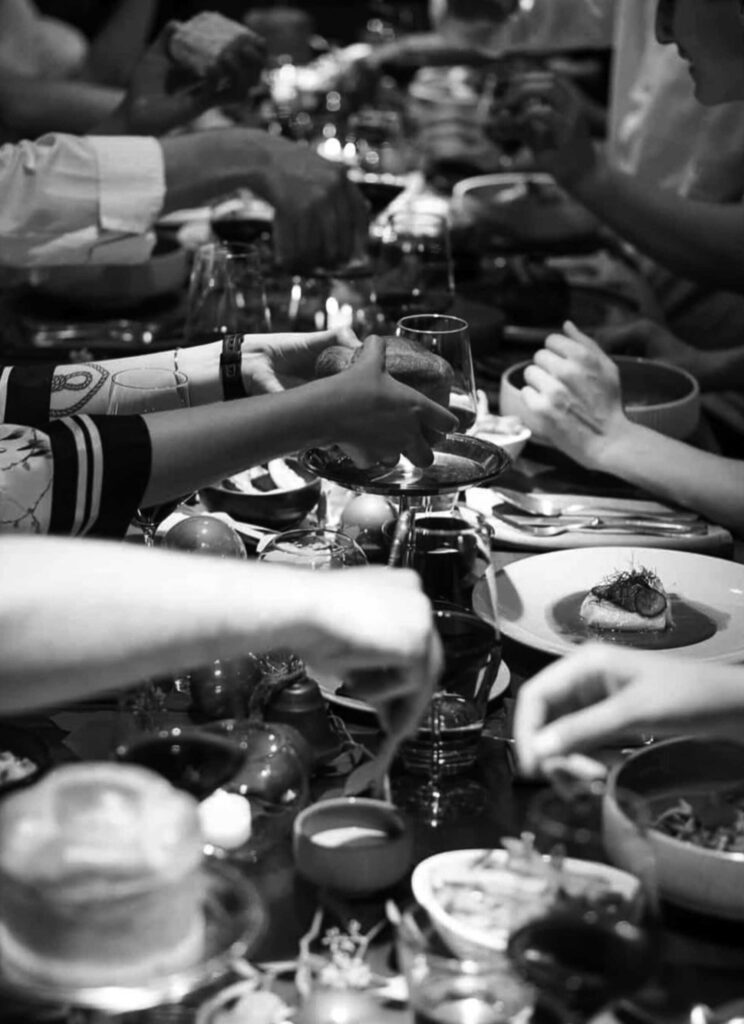
“I want the guest to have an unforgettable evening. For me, that starts with where the food comes from and how it was made.”
Cookie
Also in
The club
“Club-Innovator.”
“Berlin hat diese Atmosphäre des Aufbruchs nicht mehr.”
“15 Jahre Cookies: Räumchen wechsle dich”
“Heinz ‘Cookie’ Gindullis”
The restaurants
“It doesn’t get much more quintessentially Berlin than this trendy restaurant!”
“You’ve never seen vegetarian food like this before.”
“The first fine dining restaurant in Berlin to serve exclusively vegetarian food.”
“Entering Crackers is taking a plunge. A filmset. A stage.”
“Als glamouröser Austragungsort der offiziellen Berlinale-Abschlussparty und Setting legendärer Halloween-Feiern.”
“2014 wagte Cookie das Unmögliche und verwandelte einen Clubraum in ein Restaurant.”
The innovator
The Foodwall “set the standard for food distribution systems.”
“12 Punkte war die Küchenqualität dem Gault Millau wert: Sterneniveau.”
“Ein Restaurant, das auf Digitalisierung setzt und trotzdem ganz ohne Roboter auskommt.”
“Slow food, fast”
“Cookies Events Berlin: Vom Club zum Catering”
“The label finder veröffentlicht Ranking der Top-Modemarken”
The award and the village
“Name und Orte stehen weltweit für Berlin.”
“Vom Dokumentar zum Dorfchef”